

Hi friends,
I’ve got a piece in The New York Times today about how collective joy — participatory, youthful, anti-corporate — can defeat Trumpism and transform our lives.
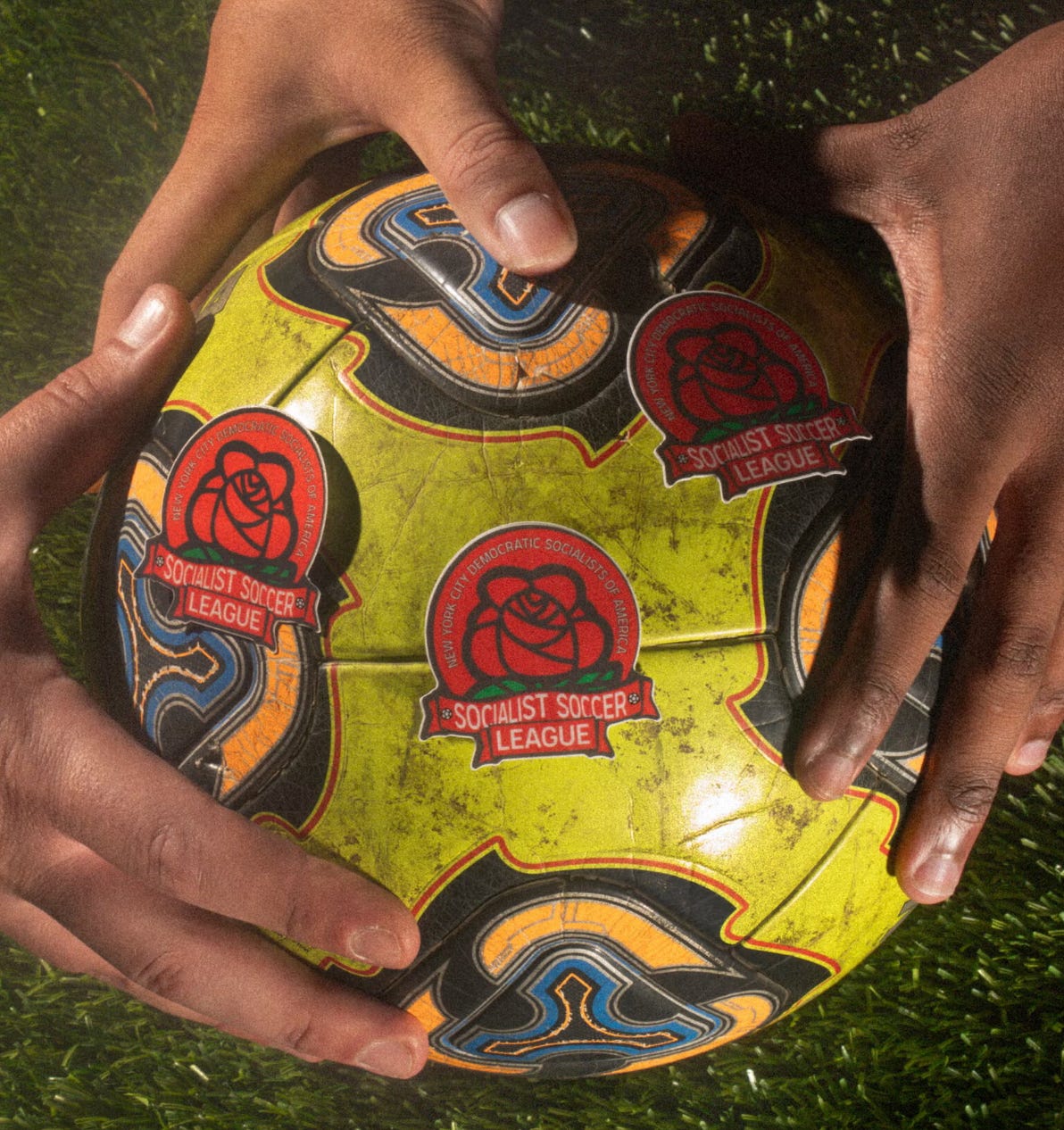
The basic argument is that politics used to be embedded in community: dances, sports leagues, union halls. As that infrastructure disappeared — and more of everyday life was atomized and privatized — politics became something broadcast at people rather than something they did together. NYC-DSA and Zohran provide another model, where socials and face-to-face organizing are tied to a fight vs the corporations that fenced off so much of the good life. Rebuilding that kind of collective fun, I argue, could help bring young people back into politics and, by redistributing America’s wealth, make our lives more joyful.
I would super appreciate it if you’d read the piece, share it, or post comments on it. Thank you!
p.s. FYI, Opinion writers don’t get any say over their headlines!
More
Take action to support the fight of licensed deck officers at Alaska Tanker Company and Overseas Shipholding Group to win a first union contract. This is one of the most important, and underreported, unionization campaigns in America: these workers have a huge amount of power over domestic energy distribution and maritime supply chains, and they’re still without a contract two years after having voted overwhelmingly to unionize.
Please sign the public petition here, and if you’re an academic you can sign this support letter.


"As that infrastructure disappeared — and more of everyday life was atomized and privatized — politics became something broadcast at people rather than something they did together."
One design rule might be worth carrying into the rebuilding: coming should cost less than the relief. The old third places obeyed it without naming it — the union hall, the league night, the dance charged almost nothing at the door: no test to pass, no performance owed, often not even sustained eye contact, just a seat facing the same fire as everyone else. Broadcast politics beat the hall because the couch costs nothing; an organizing social wins only if its price of entry — travel, obligation, the fear of being cornered by the most committed person in the room — stays under the relief it delivers. That gives "fun" an engineering meaning you can inspect a calendar with: for each event, what does showing up cost a tired stranger, and what do they carry home? Congratulations on the Times piece — and the tanker officers' campaign at the end is the part I'm carrying with me; two years without a first contract is its own argument for everything above it.